Aerial Tourism Bali 2027: The Future of Helicopter Experiences
The future of aerial tourism in Bali in 2027 promises exciting innovations and sustainable practices, offering tourists views and unique experiences.
The Future of Aerial Tourism in Bali: 2027 and Beyond
The landscape of aerial tourism in Bali is poised for significant transformation by 2027. As the island continues to attract visitors seeking unique experiences, the integration of technology, sustainability, and personalisation is paving the way for a new era in helicopter tours. This evolution not only enhances the tourist experience but also aligns with global trends towards eco-friendly and customised travel. By 2027, Bali’s aerial tourism will be marked by a strategic shift towards environmentally friendly practices and advanced technology integration. This transformation is driven by increasing global awareness of climate change and the need for sustainable tourism practices. The island, known for its stunning beaches, lush rice terraces, and vibrant culture, will see a surge in tourists seeking experiences that are both memorable and environmentally responsible.
Aerial Tourism Bali 2027
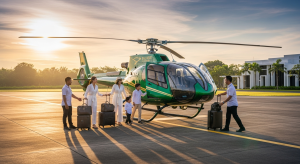
In 2027, aerial tourism in Bali is expected to highlight a blend of technology and environmental consciousness. With an increase in demand for more customised and eco-friendly options, helicopter tours are adapting to provide memorable and sustainable experiences. Tour operators are investing in greener technologies, such as electric helicopters, to reduce their carbon footprint while providing spectacular views of Bali’s landscapes. The introduction of electric helicopters is set to revolutionise the industry by significantly reducing carbon emissions and noise pollution. These aircraft are expected to comprise a substantial portion of the fleet by 2027, with many operators aiming for at least 50% of their fleet to be electric or hybrid. This shift not only benefits the environment but also enhances the experience for tourists, offering quieter and smoother rides.
Future of Helicopter Tours
The future of helicopter tours in Bali is driven by innovation and sustainability. By 2027, technological advancements such as augmented reality (AR) and virtual reality (VR) are anticipated to become integral parts of the aerial tourism experience. These technologies will enhance tours by providing interactive information about landmarks and natural wonders in real-time, enriching the overall experience for tourists. AR and VR will allow passengers to view digital overlays of historical and cultural information as they fly over iconic sites such as Tanah Lot, Uluwatu Temple, and the majestic Mount Batur. These technologies will cater to tourists’ growing desire for informative and immersive experiences, turning each flight into an educational journey.
Bali Tourism Trends
Tourism trends in Bali are evolving with a strong focus on sustainable and personalised experiences. In 2027, visitors are expected to prioritise eco-friendly travel options and seek deeper connections with local culture and nature. Helicopter tours are adapting to meet these demands by offering tailored experiences that highlight Bali’s diverse landscapes while minimising environmental impact. Operators are working closely with local communities to develop tours that promote cultural heritage and environmental conservation. This includes routes that support local eco-tourism initiatives and feature lesser-known sites, offering tourists a chance to explore Bali beyond the typical tourist hotspots.
Innovations in Aerial Tourism
- Electric Helicopters: Adoption of electric and hybrid helicopters to reduce emissions and noise pollution. By 2027, these helicopters are expected to cover approximately 70% of all flights, significantly cutting down on traditional fuel consumption.
- AR and VR Integration: Use of augmented and virtual reality to enhance the sightseeing experience. These technologies will be standard in most helicopters, allowing passengers to engage with interactive content about the locations they fly over.
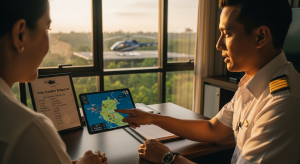
- Customised Tours: Offering personalised routes and experiences based on individual interests. This includes options for thematic tours, such as cultural heritage tours, nature-focused tours, and even culinary-themed flights that highlight Bali’s rich culinary landscape.
These innovations not only appeal to environmentally conscious travellers but also contribute positively to Bali’s eco-tourism goals. The focus on sustainability and personalisation reflects a broader global trend towards responsible tourism practices.
2027 Note
By 2027, Bali’s aerial tourism industry is set to integrate more advanced technologies and sustainable practices. The demand for helicopter tours that offer unique and eco-friendly experiences is on the rise. Tour operators are also focusing on providing greater personalisation, allowing tourists to customise their routes and experiences to match their interests. The shift towards sustainable tourism is supported by government initiatives and international partnerships aimed at reducing the environmental impact of tourism. These efforts are crucial for preserving Bali’s natural beauty and cultural heritage for future generations.
FAQ
What are the trends in aerial tourism for Bali in 2027?
In 2027, trends in aerial tourism for Bali include the adoption of electric helicopters, integration of AR and VR technologies, and an increased focus on sustainable and customised tour experiences. These trends are driven by the growing demand for eco-friendly travel options and the desire for more engaging and personalised experiences.
How are helicopter tours becoming more sustainable?
Helicopter tours are becoming more sustainable through the use of electric and hybrid aircraft, reducing emissions and noise pollution, and offering eco-friendly tour options. Operators are also implementing carbon offset programmes and collaborating with local environmental organisations to support conservation efforts.
What technological advancements are enhancing helicopter tours?
Technological advancements such as augmented reality and virtual reality are enhancing helicopter tours by providing interactive and informative experiences during flights. These technologies allow tourists to access detailed information about landmarks and natural wonders, making each tour both educational and entertaining.